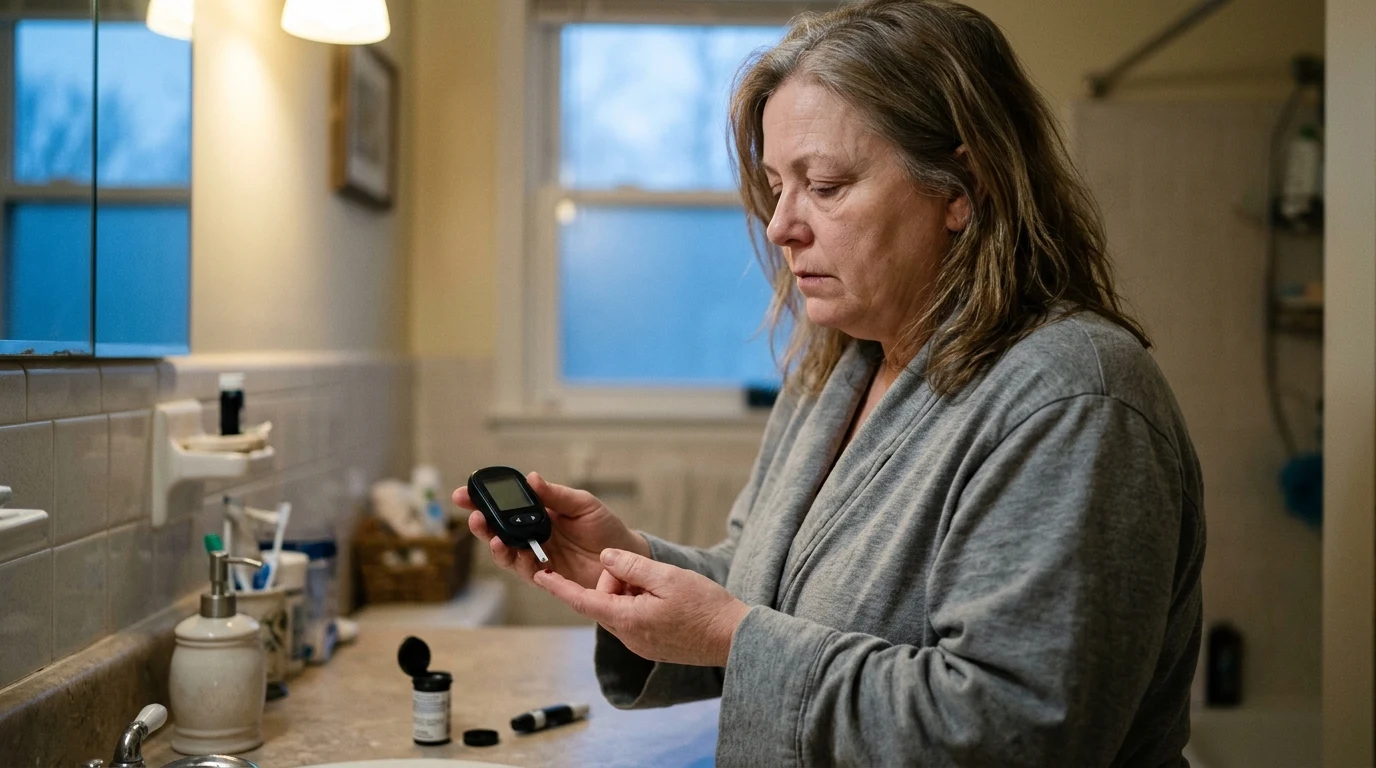
It happened in the school auditorium, of all places.
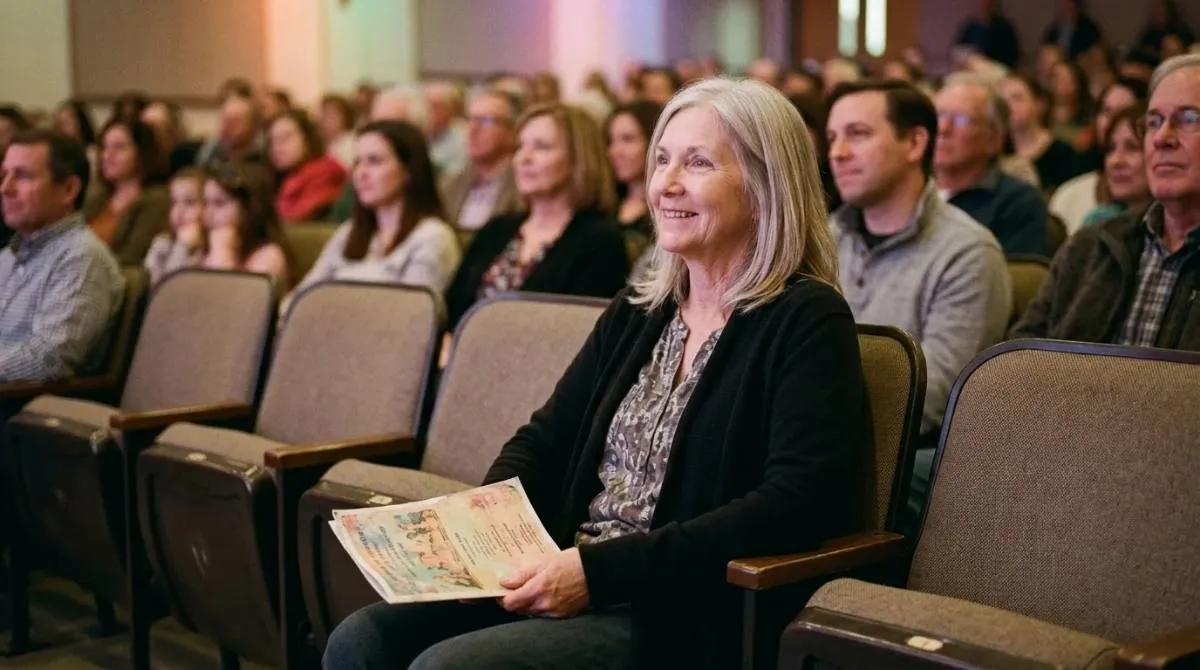
Diane was saving a seat for her neighbor of twelve years at her granddaughter's winter recital. When the neighbor walked up, Diane turned to introduce her, and the name was simply gone.
She laughed it off. “Senior moment.” But at dinner, her granddaughter Emma said something that stung more than she meant it to: “Grandma, you already told me that story.”
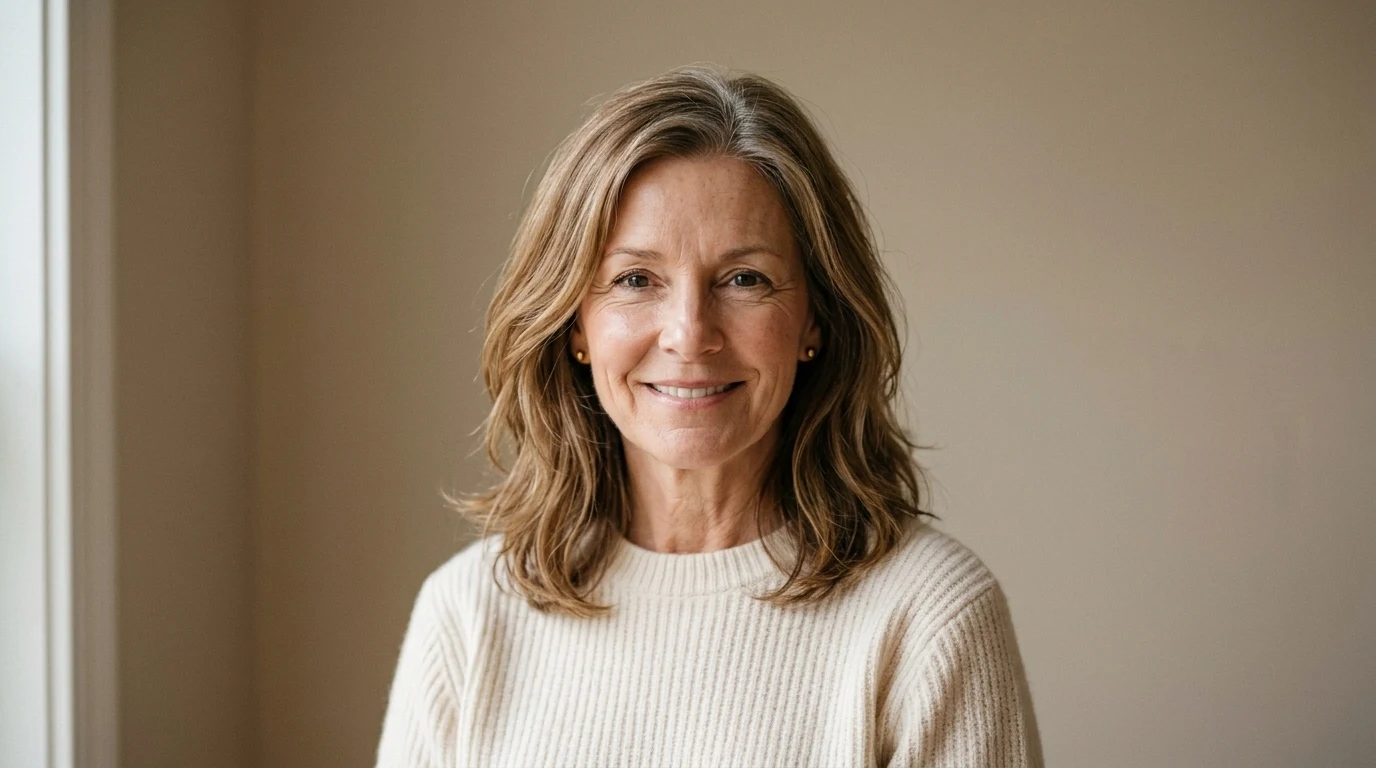
Diane is 62. She spent thirty years as a school secretary, the person who remembered every student's name.
The slips she kept explaining away
Walking into a room and forgetting why
Standing in the pantry, holding nothing. Often it's just distraction, and that's exactly what she told herself.
Names stuck on the tip of the tongue
Actors, old friends, her sister's street. The name came back an hour later, at the worst time.
Losing the thread mid-sentence
“Where was I going with this?” became a phrase her family heard a lot.
Foggy by mid-afternoon
Mornings were fine. By three o'clock she was rereading the same paragraph of her book club novel.
Sticky notes on everything
Lists for her lists. It worked, until the day she forgot to look at the note.

What's normal, and what's not
According to the National Institute on Aging, some forgetfulness is a normal part of getting older, like losing things from time to time or briefly forgetting a name. Stress, poor sleep, thyroid problems and some medications can also affect memory. Talk with a doctor if memory changes worry you, especially if someone is asking the same questions over and over, getting lost in familiar places, or becoming confused about time, people or places.
The surprising thing her doctor prescribed: movement
Diane's doctor checked her thyroid, her sleep and her medications. Then she asked a question Diane didn't see coming: how much do you move during the day?
The answer was: not much. And that matters for the brain, too. The CDC notes that physical activity can help you think, learn and problem-solve, can improve memory, and that even short bursts of activity can boost thinking skills. Its guidance for older adults: activity that gets your heart pumping, like brisk walking or dancing, at least 150 minutes a week; something that builds muscle two days a week; and balance practice.
Diane's new afternoon routine
When the 3 o'clock fog rolls in, she puts the book down and walks for 15 minutes. Twice a week she joins a beginner dance class at the community center. Learning the steps, she says, is the hardest workout her brain has had in years. And every Thursday she's back at the card table with two old friends from school: counting, planning, remembering who played what, and laughing a lot.
“Grandma, you already told me that story.”
Emma is nine. She didn't mean anything by it. Diane is glad she said it.
Where to start
If memory slips worry you, start with a conversation with your doctor and write down what you've noticed. And start moving, a little every day, ideally with something that also makes you think: a new dance step, a new walking route, a weekly card game with friends.
Diane is a composite character based on experiences many adults over 50 share. About 1 in 10 adults aged 45 and older report memory problems that have been getting worse over the past year (CDC).

 The Steady Days program
Steady Steps: 21 days to feel stronger after 50
Short, low-impact home workouts with a chair and a band, plus a gentle walking plan. See what can change in 21 days.
See the 21-day plan →
- National Institute on Aging, "Memory, Forgetfulness, and Aging: What's Normal and What's Not?"
- CDC, "Boost Your Brain Health" and "Healthy Body, Healthy Brain."
- CDC, Subjective Cognitive Decline data, Behavioral Risk Factor Surveillance System.
This article is for general information only and is not medical advice. Talk to your doctor before changing your diet, activity or medication.